

understanding suffering : ค้นหาหนังสือธรรมะ หน้า 3 / 9
หน้าหนังสือทั้งหมด
59
Understanding the Noble Truths of Suffering
by reflecting on Suffering's meaning at 2, 3 and 4 in that
order. As for the the meaning at 2, even though it is con-
cerned with the Noble Truth of Suffering, it has implications
reaching to the Orig
The text reflects on the meanings of Suffering within Buddhism, particularly its Noble Truths. It discusses how the meanings related to Suffering connect with the Origin, Cessation, and the Noble Eigh
97
Understanding Craving and Suffering in Buddhism
practices will lead them to an end of suffering — but without realizing that it is only adding to their suffering. Thus it is compared to a dog who seizes whatever it likes from the owner without tak
This text elaborates on the Buddhist perspective regarding craving as the fundamental cause of suffering. It compares improper practices to a dog snatching things without regard, while proper practice
200
The Middle Way and the Four Noble Truths
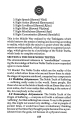
3. Right Speech [Sammā Vācā]
4. Right Action [Sammā Kammanta]
5. Right Livelihood [Sammā Ājīva]
6. Right Effort [Sammā Vāyāma]
7. Right Mindfulness [Sammā Sati]
8. Right Concentration [Sammā Samādhi]
This text discusses the Middle Way as taught by the Tathāgata, emphasizing the importance of Right Speech, Action, Livelihood, Effort, Mindfulness, and Concentration as a means to attain insight and e
221
Understanding Suffering and the Cycle of Existence
conditioning, stopping, Cessation of suffering 93-4 {metaphor, lion and
Suffering as 51-2; suffering as 47 hunter 94); responsible for keeping
conduct 145-6 being in cycle of rebirth 80; retin-
confu
This text delves into the nature of suffering, including its definitions and categorizations. It discusses the Cycle of Existence and how attachment leads to rebirth. The text highlights the importanc
25
The Impact of Selfishness and Bias on Society
Selfishness leads to suffering when each person thinks mainly about his or her own benefit rather than giving support, encouragement and material things to others. When problems occur in the family, g
Selfishness and bias lead to suffering when individuals prioritize self-interest over communal support. In families and communities facing problems, this behavior results in conflict. Bias manifests i
229
Exploring Key Buddhist Concepts and Practices
Phramonkothpumuni: emphasises practice 12; explains "dhammikāya" and "āyatannibbāna" 102; founder of Dhammakāya Tradition 102; respected commentarian 102-3; sixteen tasks of 207 physical deeds, wholes
This text delves into various aspects of Buddhist philosophy, focusing on the teachings and practices associated with the Dhammakāya Tradition founded by Phra Mongkothpumuni. It highlights the signifi
62
The Suffering of Birth: Understanding the Stages of Embryonic Development
The suffering of birth starts to affect beings without exception from the moment they are conceived. Some beings are fully equipped with sense spheres [āyatanā] from the moment they are born — others
The suffering of birth begins at conception and affects all beings. It varies by the mode of birth, with those born from the womb experiencing more suffering. Mammalian embryonic development shows cha
70
Understanding Suffering: The Dukkha of Illness and Dying
in its place. Even the Buddha and the enlightened ones are
subject to the suffering of illness — so who are we to over-
look the misery of illness?
4. Suffering as a result of Dying [marana dukkhā]
Al
This text delves into the concepts of suffering in Buddhism, particularly focusing on the pain associated with illness and the inevitable reality of death. It elucidates how all beings, including enli
90
Understanding the Pursuit of Happiness and the Cycle of Existence
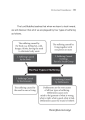
Those who search for happiness via sense pleasure only
experience happiness at the moment before suffering mani-
fest itself. As soon as suffering becomes manifest, such peo-
ple are often so shocked
This text discusses the fleeting nature of happiness derived from sense pleasures and the inevitable suffering that follows. It compares individuals ensnared by cravings to a rabbit caught in a hunter
41
Untitled
Universal Goodness : 39
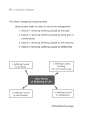
The Lord Buddha teaches that when we learn to look inward, we will discover that all of us are plagued by four types of suffering as follows.
The suffering caused by the body
No content provided to summarize.
86
OCR Ttext Not Provided
84 : Universal Goodness
The Harm Caused by Unpunctuality
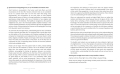
Unpunctuality leads to failure in one’s time management.
1. Failure in removing suffering caused by the body
2. Failure in removing suffer
No summary available as no content was provided for analysis. Please share the text for creating SEO elements.
37
Understanding the Ten Right Views in Buddhism
Spontaneous Arising Beings Exist, & 10) The Buddha and Arahants Exist
One’s Kamma is accumulated in the human world and affects our birth circumstances in the next life. However, between lives we are
This text discusses the influence of kamma on rebirth and the significance of recognizing spontaneous beings in the celestial realm. It highlights the Buddha as the supreme enlightened figure and Arah
11
The Quest for Knowledge and Happiness
Preface
Why, since the existence of mankind, have we
unceasingly put all of our resources in order to search for
newer knowledge and technology? Taking this question back
to its roots, we will eventua
This preface discusses the fundamental reasons behind humanity's relentless pursuit of knowledge and technology. It highlights how ignorance leads to suffering and fear, emphasizing the need for knowl
219
Understanding Suffering and Enlightenment in Buddhism
Angelic Body 107, 122; defilements by attaining Dhammakaya 111 of 135
bemoaning, as suffering 47, 58, 71,
anger 135, 136, 137 199; relationship to sorrow and lam-
animal kingdom, suffering of birth en
This text delves into key Buddhist teachings regarding suffering, attachment, and the process of attaining enlightenment. It analyzes various forms of suffering, including the suffering associated wit
233
Exploring Suffering and Enlightenment in Buddhist Philosophy
dying 58, 67-9, 199; of exposure to third absorption 129, 130, 131
hateful things 71-2; of illness, 12, thought, discursive, sense 96, 100
46, 57, 66-7, {metaphors: donkey thought-conception: discursi
This text delves into the intricate themes of suffering and enlightenment within Buddhist teachings. It explores the various aspects of suffering, including its origins and manifestations, and the pat
34
Understanding the Three Characteristics of Existence
When we receive fortune, prestige, recognition or happiness,
our minds will remain calm, not overwhelmed or attached.
A person who is aware of suffering and happiness has
trained the mind to be as s
This text discusses the importance of understanding the Three Characteristics of existence: Impermanence, Suffering, and Non-self. It emphasizes that fortune, prestige, and happiness are temporary and
112
Understanding the Dhamma Body and Overcoming Mental Defilements
to enslave the mind and how we can overcome them. This is a major difference from the naked (physical) eye to which the defilements are invisible. The limits of our human senses are to know the manife
The passage discusses the limitations of human senses in perceiving mental defilements such as greed, hatred, and delusion. It highlights the importance of the Dhamma Body in providing insight into th
178
The Three Cycles of Examination in Buddhism
The Three Cycles of Examination comprise:
1. Saccānāna: Knowledge of the existence of each Noble Truth over which the Lord Buddha had unequaled personal knowledge and which he could teach to others wi
The Three Cycles of Examination define knowledge concerning the Noble Truths which the Lord Buddha taught. Saccānāna pertains to the knowledge of each truth’s existence; Kiccanānā addresses the necess
193
The Subtlety of Dhamma and the Buddha's Vocation
Dhamma in even greater subtlety. The Buddha was later to preach in the Simsapa forest that there were more leaves in the forest than he held in the palm of his hand. The 84,000 units of Dhamma which
The Buddha preached the concept of Dhamma, comparing his teachings to leaves in his hand versus the endless phenomena of enlightenment. He remembered his vow to end suffering, driven by compassion for
223
Exploring Dhammakāya and the Eightfold Path
Dhammakāya, Sotāpana: Effort, Right (see Right Effort)
Coarse, 108, 134; defilements of
Eightfold Path: arises internally as 136-7; Subtle, 108, 134
sphere 105; components 20, 117,
Dhammakāya Traditi
This text delves into the Dhammakāya tradition, highlighting key components of the Eightfold Path and its teachings on defilements, enlightenment, and the nature of suffering. Concepts are illustrated